
Núi Đá Bia (còn gọi là Thạch Bi Sơn) cao 706m, sừng sững uy nghi ở phía Bắc dãy Đèo Cả. Trên đỉnh núi là một khối đá khổng lồ cao 76m, có hình thù kỳ lạ, sáng sớm hay về chiều thường có mây trắng bao phủ chung quanh, khi ẩn khi hiện.
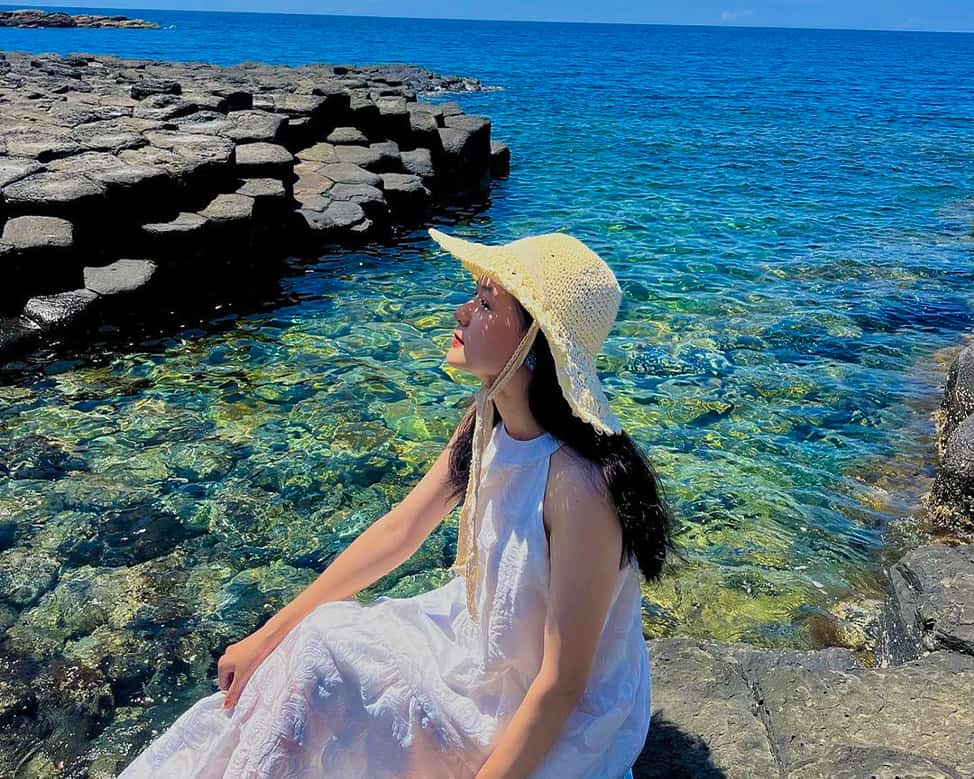
The ecosystem is quite well preserved, with plant and animal species typical of tropical forests. From the top of Da Bia Mountain, one can overlook famous landmarks such as Vung Ro, Deo Ca, Bai Bang, Bai Mon – Mui Dien, Lighthouse, Nui Hiem, Bien Ho, Han Dam, and Van Phong Bay (Khanh Hoa)…
Since ancient times, Da Bia Mountain has been regarded as a sacred mountain, called Lingaparvata (meaning Linga – the great mountain god, an incarnation of the god Shiva in Cham beliefs). In ancient Chinese texts, it was transcribed in Chinese characters as Lăng-già-bát-bạt-đa. Da Bia Mountain is associated with many legends and stories. Notably, in 1471, it is said that King Le Thanh Tong, during his journey to expand the southern territory, had inscriptions carved into a large rock at the mountain's summit. Since then, the mountain has been called Da Bia Mountain or Thach Bi Son.
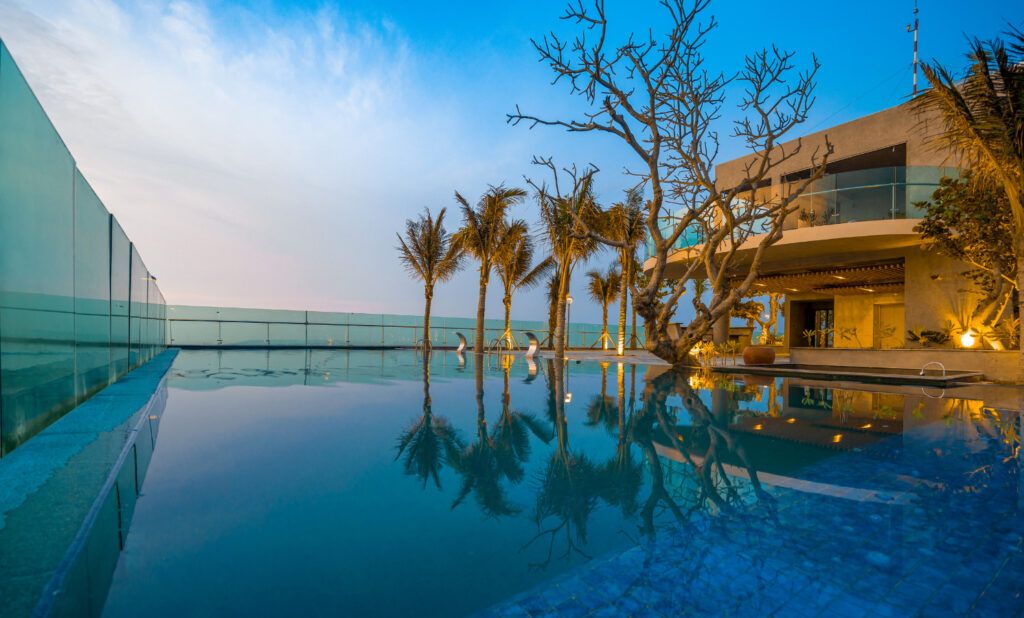
The Đá Bia mountain climbing competition is held annually on March 26 and 27. Here, visitors can climb to the summit of Đá Bia Mountain along a path approximately 2,011 meters long, overcoming some flat sections and 2,071 steps. Along the way, there are resting spots approximately every 300 meters for visitors to take a break, enjoy the scenery, and explore the coastal tropical forest ecosystem… Currently, the Đá Bia Ecotourism Area is being developed as a destination for visitors in their journey to explore and conquer the summit of Đá Bia Mountain.
Đá Bia Mountain was recognized as a national scenic site in 2008.