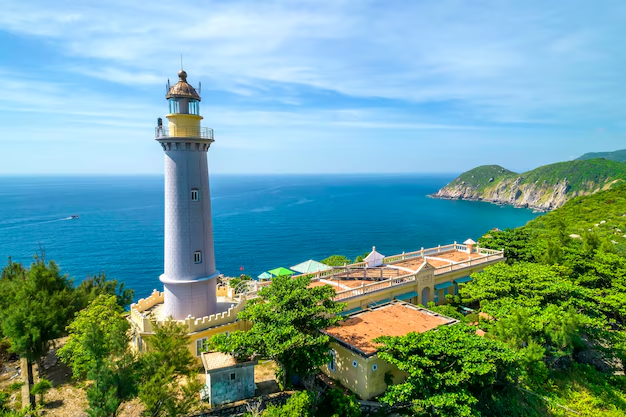
1 Overview of Phu Yen
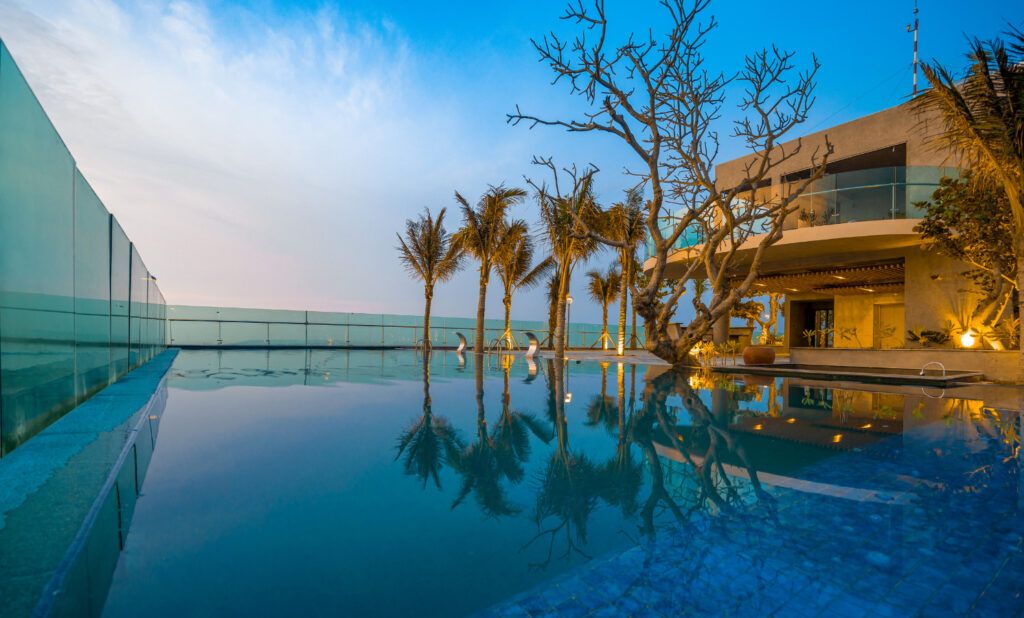
Phú Yên, also affectionately known as xứ Nẫu, gets this nickname from the daily communication style of its people. The people of Phú Yên have a very distinctive accent, and they often refer to others as “Nẫu.” This is the origin of the name Phú Yên.
Phú Yên is a province in the South Central Coast region. It is located 1,160 km from the capital city, Hanoi, and 560 km from Ho Chi Minh City. To the east, Phú Yên borders the East Sea, while the other three sides are surrounded by mountains:
West: the eastern slopes of the Truong Son Mountains
North: Cu Mong Pass
South: Ca Pass
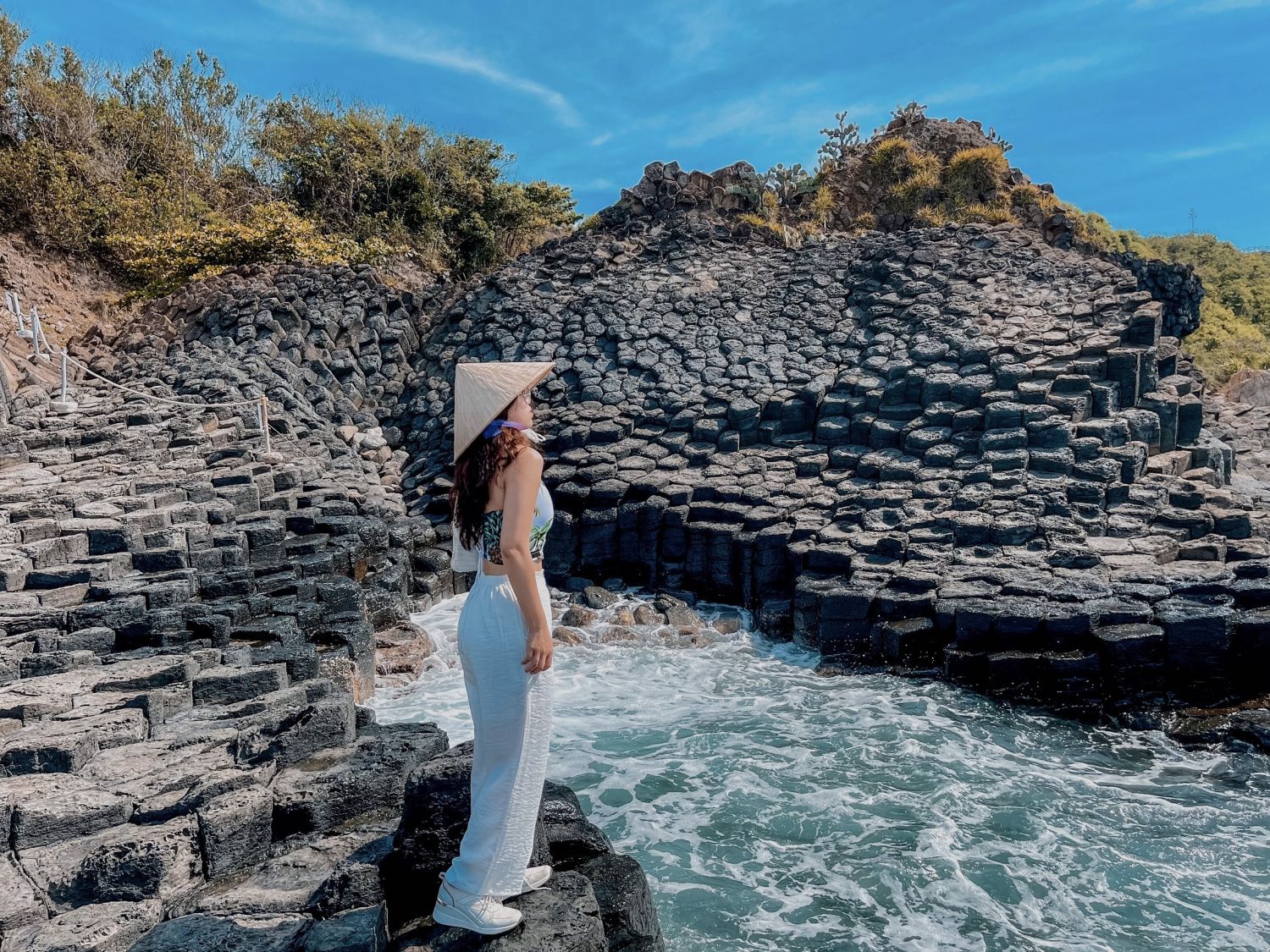
One of the special features that attract many tourists to Phú Yên is its natural scenery. Phú Yên is blessed with famous landmarks such as the Ghenh Da Dia (Cliff of stone plates), Hon Yen, Xuan Dai Bay, O Loan Lagoon, Bai Xep Beach, Hòn Nưa, and more. In addition, Phú Yên boasts pristine beaches with fine sand stretching along nearly 200 km of coastline, leaving visitors captivated.
2 History of Phu Yen
In 1597, Lương Văn Chánh brought people from the four regions of Thanh – Nghệ and Thuận – Quảng to reclaim land and establish settlements in Trấn Biên. After 14 years, in 1611, after much hardship and effort, Phú Yên province finally appeared on the map of Vietnam.
In the years of the 18th century, Phú Yên was the site of fierce battles between the Tây Sơn and Nguyễn families. By the 19th century, the movement against French colonialists was actively taking place across the country. In addition to other regions, Phú Yên also joined the Cần Vương movement led by Lê Thành Phương, defeating the French Atlante campaign, contributing to the victories of our nation.
During the resistance war against the U.S. to save the country, Phú Yên contributed to the liberation of the South through the Hòa Thịnh uprising movement. Shortly after the country was unified, on November 3, 1975, the state merged Phú Yên and Khánh Hòa together. After that, these two provinces were collectively called Phú Khánh. However, in June 1989, the National Assembly decided to separate Phú Khánh into Phú Yên and Khánh Hòa as they are today.